
Table of Contents
ToggleIf you’re deep into League of Legends, you know that being a fan goes beyond climbing the ranked ladder, it’s about collecting, wearing, and displaying your passion for the game. League of Legends merchandise has exploded over the past few years, transforming from basic t-shirts into a sprawling ecosystem of collectibles, gaming gear, apparel, and lifestyle items that rival any major gaming franchise. Whether you’re hunting for rare Prestige skin merch, hunting down authentic collectibles, or just looking to rep your favorite champion at work, 2026 offers more options than ever. The challenge? Knowing what’s worth buying, where to find it, and how to spot fakes before dropping money on counterfeit gear. This guide breaks down everything you need to know about League of Legends merch, from the types available and where to score authentic items to investment potential and how to build a collection that actually means something.
Key Takeaways
- League of Legends merchandise spans apparel, collectibles, gaming gear, and lifestyle items, offering options for every type of fan and budget.
- The official Riot Games store is the safest source for authentic League of Legends merch, though licensed retailers and verified sellers on major platforms provide additional options when verified carefully.
- Limited edition drops tied to Prestige skins, champion-specific lines, and major esports events appreciate in value and sell out quickly, making timing and early purchase critical for collectors.
- Counterfeit League merch can be identified through poor print quality, incorrect color matching, sloppy stitching, and misspelled tags—always request detailed photos and verify seller history before buying from secondary markets.
- Building an intentional collection around favorite champions and skin lines creates more personal satisfaction and better resale value than impulse buying, with budget-friendly entry points starting at $5–15 per item.
What Types of League of Legends Merchandise Are Available
The sheer variety of League of Legends merchandise available today is staggering. Riot Games and licensed partners have created something for every type of fan, whether you care about wearing your fandom or displaying it in your gaming setup. Understanding the categories helps you figure out what actually fits your lifestyle.
Apparel and Wearables
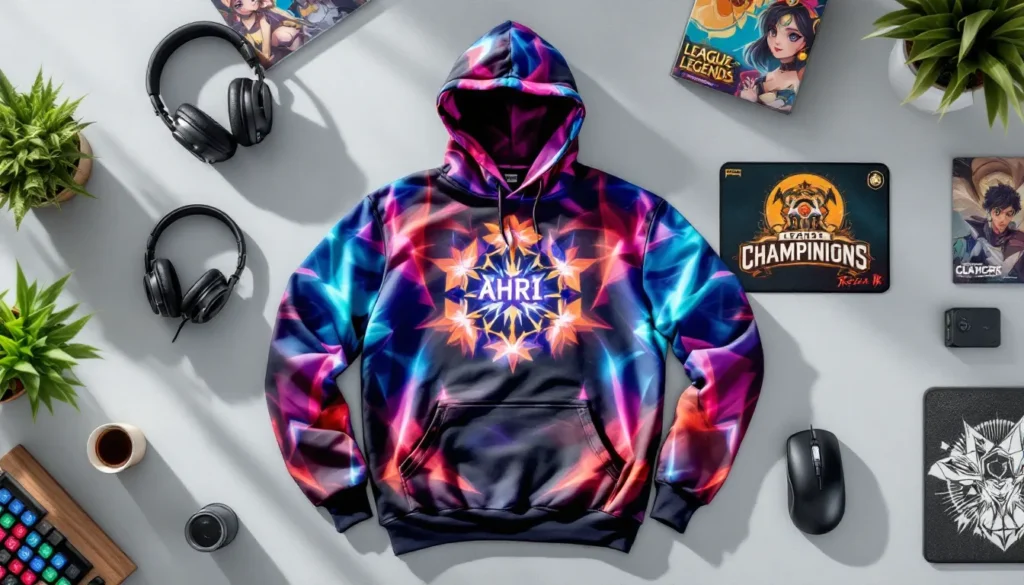
Clothing is the bread and butter of League merch. The official Riot Games store stocks t-shirts, hoodies, and jackets featuring champion artwork, team logos from League Championship Series (LCS), and iconic skin designs. Beyond standard tees, you’ll find fitted apparel, athletic wear, and premium collections that actually feel like quality pieces rather than flimsy promo shirts.
The apparel extends beyond clothes too. Hats, beanies, and caps bearing champion faces or team branding are standard fare. Some licensed partners have pushed into premium territory with zip-ups and windbreakers that don’t feel out of place at casual venues or even esports events.
One thing to note: official Riot apparel tends to run on the pricier side, but the fabric quality and print durability justify the cost compared to bootleg alternatives. If you’re looking for League of Legends Prestige themed wearables specifically, those command premium pricing due to limited availability.
Collectibles and Figures
Action figures and statues form the core of any serious League collector’s setup. Pop Vinyl figures are widely available through major retailers, each capturing a champion in exaggerated style. These range from $10–15 for standard releases to $50+ for exclusive variants or metallic finishes.
More premium collectibles include detailed statues from partners like Riot’s official collaborations. These aren’t toys, they’re display pieces with museum-quality sculpting and paint work. Champions like Ahri, Elementalist Lux, and K/DA skins get special attention from statue manufacturers. Expect prices between $50–200 depending on size, material, and exclusivity.
Pop-culture retailers and specialist collectible shops stock these heavily, but availability varies by region. Pre-orders fill up fast, especially for limited runs tied to major esports events or new skin releases.
Gaming Gear and Accessories
If you actually want to use your League merch while playing, gaming gear is where it’s at. Mousepads featuring map layouts, champion splash art, or team logos are staples, practical and thematic. Quality varies wildly: official Riot mousepads tend toward mid-range pricing with decent build quality, while licensed third-party options can be either bargains or cheap knockoffs.
Headset stands, cable organizers, desk mats, and RGB light strips branded with League aesthetics are popular setup additions. Mechanical keyboards with League-themed keycaps have emerged as a niche product category, usually dropping via crowdfunding or specialty retailers.
Mouse and keyboard covers, phone cases, and laptop skins are low-ticket items (usually $10–20) that let you customize your peripherals without very costly. Cable ties and organizers with champion branding are surprisingly useful for cable management.
Home and Lifestyle Items
Beyond the desk, League merch has infiltrated everyday life. Bedding sets featuring champion artwork appeal to younger fans or those decorating dorm rooms. Throw pillows, blankets, and wall posters are accessible entry points into collecting.
Drinkware is huge, mugs, water bottles, and tumblers with champions or team logos are impulse buys at the official store. Some licensed partners have released premium drinkware: a League-themed mug from certain artisan producers will set you back more but look genuinely nice on your kitchen shelf.
Other lifestyle items include phone cases, backpacks, and even hoodies designed for lounging rather than esports viewing. Bath products, socks, and accessories targeting fans who want subtle champion representation in daily life round out this category. These tend to be affordable ($5–30 range) and perfect as gifts for casual fans.
Where to Buy Authentic League of Legends Merchandise
Finding genuine League of Legends merchandise is half the battle. With counterfeits flooding marketplaces, knowing where to shop protects both your wallet and your fandom.
Official Riot Games Store
The official League of Legends store remains the safest bet for authentic merch. Riot Games operates storefronts directly, guaranteeing authenticity. The selection rotates based on seasons, esports events, and new skin releases. Pricing is premium, expect markups on branded apparel and collectibles, but you’re paying for guaranteed authenticity and often exclusive designs not available elsewhere.
Shipping costs and wait times vary by region, and some items are region-locked. The official store frequently runs sales around major League events like Worlds or Mid-Season Showdown, so timing your purchases around these events saves money.
Licensed Retailers and Marketplaces
Retailers like Hot Topic, Target, and GameStop stock official League merchandise. These are safer than random Amazon sellers but may have limited selection compared to the official store. Availability depends on local store inventory.
Specialized gaming retailers and collectible shops (often found in malls or online) stock figures, art, and apparel. These partners are licensed directly by Riot, ensuring authenticity. Quality varies by retailer, so check reviews before buying.
Major e-commerce platforms like Amazon have official Riot storefronts, which are legitimate, but third-party sellers on these platforms frequently move counterfeits. Always verify the seller is listed as an official retailer or Amazon’s brand registry confirms Riot Games as the seller. When in doubt, buy directly from the official Riot Games channels.
Regional and International Options
European fans can access regional Riot stores or licensed partners specific to their country. Asia-Pacific regions have unique partnerships with local retailers and distributors. Some merch is region-exclusive, so international fans sometimes must pay premium prices for imported items.
Proxy buying services exist for hard-to-access items, but shipping costs often triple the original price. Regional conventions and esports events sometimes stock exclusive merch not available through normal channels. If you’re hunting something specific, checking regional esports team shops (Fnatic, G2, T1, etc.) sometimes yields unique collaborative pieces.
Japanese retailers have historically had exclusive League merch thanks to partnerships with anime and collectible distributors. If you can navigate Japanese shipping or find resellers, these items represent unique collectibles, though pricing reflects the rarity.
Limited Edition and Exclusive Releases to Watch For
The real thrill in collecting comes from snagging limited edition drops. These items appreciate in value, become conversation starters, and represent moments in League’s history.
Project and Prestige Skin Collections
Prestige skins in League generate hype every season, and that hype translates directly to merch. When a Prestige skin launches, collectors rush to snag related merchandise, hoodies, art prints, figures featuring the prestigious aesthetic. These drops are time-gated: once a Prestige skin rotates out, the associated merch often becomes rarer.
Project skin lines also drive limited merch releases. The cyberpunk aesthetic appeals to collectors beyond just League players. Project 2024 and 2025 drops saw collaborations with fashion brands and streetwear partners, elevating League merch into genuine fashion territory. These pieces sell out within days.
Watching League of Legends patch schedules helps you predict merch releases tied to skin drops. Pro tip: follow the official Riot Merch Twitter account and sign up for email alerts. Limited drops often sell out before casual browsers even notice.
Champion-Specific Merchandise Lines
Riot occasionally releases deep-dive merch collections for single champions. These aren’t just random designs, they tell visual stories tied to champion lore. K/DA Ahri merchandise, Elementalist Lux statues, and Project Sylas gear all represent champion-specific collecting lines.
These drops tie into broader League universe initiatives like Arcane or Project partnerships. When Netflix’s Arcane season 2 aired, merch sales for Jinx, Vi, and Caitlyn items skyrocketed. Missing these windows means hunting secondary markets at inflated prices.
Champion-specific bundles (apparel plus figures plus art) represent the sweet spot for meaningful collecting. A complete Ahri set, skin line hoodie, statue, and art print, tells a cohesive story.
Seasonal and Event-Based Items
Worlds, MSI, and regional championships spawn exclusive merch. Team-specific drops bearing LCS, LEC, or international team logos are limited runs. If your favorite team makes a deep Worlds run, the celebratory merch that drops becomes genuinely rare, only produced for that specific season.
Holiday-themed League merch appears around Christmas and Chinese New Year. Winter-themed skins get matching apparel. These seasonal runs mean collectors have narrow windows to secure items before they’re gone permanently.
Event collaborations, like League partnering with fashion brands or gaming peripherals companies, create one-off pieces. These are inherently limited and often represent premium quality. Following esports news sites and esports standings helps you stay ahead of upcoming event drops.
Tips for Finding Quality Merch and Avoiding Counterfeits
The League merch market attracts counterfeits like moths to a flame. Learning to spot fakes saves money and keeps your collection legitimate.
Spotting Fake League of Legends Products
Counterfeits are obvious once you know what to look for. Print quality is the first giveaway, fake apparel shows blurry graphics, colors that bleed, and faded prints even on new items. Official Riot merchandise uses direct-to-garment printing or embroidery that looks crisp under any lighting.
Color accuracy matters. Counterfeits often use off-brand dyes that don’t match official artwork. Compare a suspicious hoodie’s colors directly to official Riot imagery. Legitimate merch nails color matching.
Hangtags and labels are second-line defenses. Authentic pieces have properly formatted tags with correct spelling, sizing charts, and care instructions. Fakes often have typos, generic tags, or missing brand information. Feel the tag material too, counterfeits use cheap paper tags while official merch uses quality printed labels.
Font rendering in logos and text is surprisingly telling. Fakes often use slightly wrong fonts or kerning. Stitching quality separates real from fake instantly. Official apparel shows clean, even stitching with reinforced stress points. Fake stitching is sloppy, uneven, or loose in places.
Authentication and Verification Methods
When buying from secondary markets, request detailed photos before purchasing. High-resolution images of tags, stitching, and print quality reveal authenticity quickly. Legit sellers provide these without hesitation.
Check seller history ruthlessly. On platforms like eBay or Mercari, verified sellers with strong ratings in gaming or collectible categories are safer bets. New sellers with suspiciously cheap prices are red flags.
Riot Games sometimes includes authentication codes on premium items (especially limited edition statues and collectibles). Verify codes on the official site if the seller claims such items are included. QR codes linking to official product pages indicate legitimacy.
When in doubt, message the seller with specific questions about the item’s origin, when they purchased it, and any original packaging. Authentic sellers remember their purchases: scammers provide vague answers.
Pricing and Value Expectations
Know the typical price range for items you’re hunting. A standard Champion hoodie from the official store runs $45–60. If you find one for $15, it’s fake. Secondary market markups are real but capped, a retired Prestige hoodie might fetch 2–3x original price, not 10x.
Use price history tools to track items over time. Official Riot store prices are consistent: scarcity drives secondary market increases gradually. Sudden price spikes on unrelated platforms suggest counterfeits flooding the market.
Budget collectors should stick to lower-priced official items initially, mousepads, phone cases, basic apparel. These offer quality and authenticity without premium pricing. As your collection grows and your eye for authenticity improves, invest in pricier collectibles.
Building Your League of Legends Collection
Building a meaningful League collection is personal. Whether you’re chasing rare items or assembling a thematic set, strategy beats impulse buying.
Choosing Items Based On Your Favorite Champions
Start with champions you genuinely love to play. A Jinx or Ahri collector will find more satisfaction in building around these champions than owning random items. This focus keeps collecting intentional and affordable.
Research available merch for your target champion. Some champions (Ahri, Lux, Yasuo) have extensive merchandise ecosystems. Others have limited options. Knowing what exists before you start hunting prevents frustration and helps you identify rare pieces when they appear.
Mix apparel, collectibles, and gaming gear within your champion focus. A complete champion collection might include a hoodie, a statue, and a mousepad, each reinforcing your fandom without duplicating purposes. This creates a cohesive aesthetic on your desk and in your closet.
Champion skin-specific collecting adds another layer. League of Legends song integrations and animated shorts highlight certain skins. K/DA, Elementalist, or Project champion lines become natural focal points. Collecting all merch for a single skin line tells a visual story.
Budget-Friendly Options For New Collectors
Don’t spend hundreds starting out. Begin with $5–15 items: socks, phone cases, mousepads, basic apparel. These teach you about quality, finish, and what resonates with you before investing in pricier collectibles.
Wait for sales. The official Riot store runs 15–25% discounts during off-peak seasons and after major esports events. Patience saves money without sacrificing authenticity. Sign up for Riot Merch email alerts to catch sales before they’re announced publicly.
Secondary market bargains exist. Collectors who buy impulsively later resell at losses. Mercari, Facebook Marketplace, and local esports communities sometimes have deals on barely-worn apparel or opened-but-unused collectibles. Just verify authenticity carefully before buying.
Licensed third-party merch from brands like Jinx (they produce officially licensed apparel) offers quality at lower price points than premium Riot store items. Their hoodies and art prints are legitimately good, not cheap knockoffs.
Investment and Resale Value Considerations
Certain League merch appreciates. Limited edition statues, retired Prestige skin collections, and championship-specific gear trend upward. But, collecting purely for investment misses the point, these items appreciate slowly.
Condition matters enormously for resale. Keep original packaging and tags on collectible items if you think you’ll resell. Hang apparel properly, don’t machine wash premium pieces, and store in climate-controlled spaces. Deterioration tanks resale value instantly.
Track your purchases and prices. Over 2–3 years, a $60 Prestige hoodie might fetch $120–150 on secondary markets if it’s retired and in great condition. This isn’t get-rich-quick territory, but it justifies spending on quality pieces knowing you can recoup partial costs.
Rare items (first-run releases, exclusive event merch, early-era collectibles) hold value better than standard drops. A 2016-era League hoodie in mint condition with original tags might fetch 3–5x original price. Newer items depreciate initially before potentially appreciating if retired.
Document condition with photos and video unboxing if you plan to resell later. Buyers trust evidence over claims. Store receipts and proof of authenticity, purchase confirmations from official stores, dramatically increase buyer confidence.
Conclusion
League of Legends merchandise in 2026 is more accessible, more diverse, and more collectible than ever. From affordable apparel to premium statues, from gaming gear that doubles as desk décor to lifestyle items you’ll actually use, there’s something for every type of fan. The key is knowing where to look, understanding what constitutes quality, and building intentionally rather than acquiring randomly.
Start with the official Riot Games store for peace of mind on authenticity, explore licensed retailers for variety, and approach secondary markets carefully with a critical eye. Focus your collection around champions and skin lines you genuinely love. Resist the urge to hype-purchase every drop, selective collecting means your pieces maintain both personal significance and resale potential.
As League continues evolving with new champions, skins, and esports moments, the merch landscape will evolve alongside it. Stay informed through official announcements, watch for limited releases tied to major events, and remember that the best collection is one that reflects your actual passion for the game. Whether you’re building toward a completed championship set or curating a small but meaningful collection of your favorite champion’s merch, there’s never been a better time to rep your fandom.


