
Table of Contents
ToggleLeague of Legends fan art has evolved from casual sketches shared in forum threads into a global creative phenomenon that rivals official content in reach and impact. Every day, thousands of artists pour passion into illustrations of Ahri, Lux, Yasuo, and dozens of other champions, some becoming recognizable figures in the community while others go viral overnight. If you’re curious about the art that floods social media, wondering how to start creating your own, or just want to discover incredible artists worth following, this guide covers everything. From understanding why fan art matters to the Rift to launching your own creations and navigating copyright, you’ll find the specifics that matter to gamers and artists alike.
Key Takeaways
- League of Legends fan art has evolved into a global creative phenomenon that drives community engagement, influences official content, and launches artist careers in the gaming industry.
- Fan artists can find and share work across multiple platforms—Twitter, Reddit, Instagram, ArtStation, and Discord—with Twitter currently offering the strongest algorithm boost for fan art visibility.
- Starting League of Legends fan art requires minimal investment: free software like Krita, optional budget tablets ($30–80), and reference materials from official sources are sufficient to create compelling work.
- Riot Games permits non-commercial fan art freely and has created official pathways for fan creators, including commissions, hiring, and partnerships, though merchandise sales without permission remain prohibited.
- Consistent posting, genuine community engagement, and participation in challenges build sustainable audiences faster than individual viral posts, with growth compounding over months of dedicated participation.
- Iconic League of Legends fan art typically combines exceptional technical execution with emotional resonance, champion authenticity, and unique perspective—answering ‘what if’ questions that official content may never explore.
What Is League of Legends Fan Art and Why It Matters
League of Legends fan art encompasses any original or derivative artwork created by community members featuring champions, skins, lore, cinematics, and the world of Runeterra. It’s not just drawings, it includes digital paintings, sculptures, cosplay, animations, comics, and mixed media. The distinction from official content is simple: it’s made by fans, not Riot Games, though the line blurs when artists are hired to create official material.
Why does it matter? Fan art is the lifeblood of community engagement. It keeps the game culturally alive between patches, maintains hype during off-seasons, and allows millions of people to express themselves through a shared universe. When a champion receives a new skin line, fan artists dissect the design philosophy and reimagine it within hours. When a cinematic drops, fan interpretations flood platforms within days. This creative output deepens emotional investment in champions and the game world itself.
Beyond engagement, fan art serves as a recruitment pipeline for Riot Games. Countless official concept artists, splash painters, and character designers were discovered through their fan work. The company actively scouts talent and has created formal pathways for artists to transition from community to professional roles. For emerging artists, a standout LoL piece can open doors to game industry positions, commission work, and sustainable creative careers.
Fan art also democratizes storytelling. Official lore operates on Riot’s timeline and vision, but fan artists fill gaps, answer “what if” questions, and explore romantic pairings, alternate universes, and deep character moments that official content may never touch. This creative freedom generates discussions and builds secondary communities around specific champions, ships, and narrative themes.
The Evolution of LoL Fan Art Culture
League of Legends launched in 2009 with 40 champions, but fan art preceded widespread adoption. Early DeviantArt submissions were rough, niche, and scattered, beautiful in their earnestness but limited by reach. As the game exploded in popularity during 2011–2013, fan art evolved from hobby drawings into a recognized art form within gaming.
The turning point came with social media explosion. Tumblr, Twitter, and Reddit transformed how artists shared work and built audiences. By 2015, top LoL fan artists had followings in the hundreds of thousands. Platforms like ArtStation professionalized the space, letting artists display portfolios that attracted industry attention. The 2015 League of Legends World Championship, watched by 36 million, cemented the game’s cultural relevance and created new urgency for fan artists to capture iconic moments.
Patch cycles and skin releases became creative catalysts. Each new champion or skin line triggered waves of fan interpretations. The Project line (2015), K/DA (2018), and recent expansions like Star Guardian and Arcane-inspired pieces shaped what fans wanted to see. Fan creators became early interpreters of game direction, testing audience appetite for new aesthetics before official rollouts.
How Fan Art Shapes Community Engagement
Fan art is the most accessible entry point for casual players into creative participation. A player doesn’t need to climb ranked, optimize builds, or understand the competitive meta to create or appreciate art. This inclusivity expands the community beyond players to viewers, supporters, and non-gamers interested in the visual style.
Reddit communities like r/leagueoflegends see fan art posts regularly dominate the front page, often outpacing patch notes and esports news in upvotes. This signals what the community values. When fanwork receives more engagement than official announcements, it tells Riot what resonates emotionally. Successful fan pieces inspire official merchandise, cosmetics, and narrative directions.
Fan art also reinforces champion identity and keeps underplayed champions alive in conversation. A champion might fall out of meta for a season, but a viral fan artwork can reignite interest and community discussions about buffs or reworks. Artists become unofficial advocates, keeping obscure champions like Aurelion Sol or Ryze relevant through passionate, creative representation.
During content droughts, delays between major patches or during off-seasons, fan art sustains momentum. Esports fans waiting months between Worlds and the next season rely on fan creators to maintain hype. The artistic community essentially extends Riot’s content calendar by filling gaps with fan-generated material.
Official Recognition and Artist Opportunities
Riot Games formally recognized fan art’s value around 2016 by establishing the League of Legends Songs program, though musical composition deserves its own discussion. More directly, Riot created official artist partnerships, featuring fan creators in champion reveals, skin launches, and promotional campaigns.
The Riotx Arcane initiative (2021) was a watershed moment. Riot commissioned fan artists to create official promotional art for the Arcane animated series, paying competitive rates and crediting creators publicly. Hundreds of artists were paid for work that would previously have been free fan content. This legitimized fan art as professional-grade content worthy of compensation.
Today, Riot regularly hires fan artists into full-time roles. Job postings for concept artists, splash painters, and character designers explicitly note that community work is valued in portfolios. Artists with standout LoL fan work have landed positions at Riot, other studios, and adjacent industries like animation and tabletop gaming.
Beyond hiring, Riot monetizes fan work through official channels. Licensed merchandise featuring fan-inspired designs, collaboration with creators on exclusive content drops, and revenue-sharing on certain platforms acknowledge that fan creators drive value. Some artists have built six-figure incomes through Patreon, commissions, and merchandise tied to their LoL art.
Fan art has also influenced official champion redesigns and reworks. When 2021 brought Udyr’s visual update, community feedback and fan artwork of “ideal” Udyr designs informed the final direction. Players saw their artistic vision reflected in the official release, blurring the line between fan and official creativity.
Where to Find the Best League of Legends Fan Art
Finding quality LoL fan art requires knowing where creators congregate and which platforms surface the best work. The ecosystem is fragmented but interconnected, artists post everywhere simultaneously, but different platforms emphasize different strengths.
Top Platforms and Communities
Twitter/X remains the primary distribution hub. Search hashtags like #LeagueOfLegendsFanArt, #LoLFanArt, or champion-specific tags (#AhriArt, #YasuoFanArt) to surface recent work. Twitter’s algorithm prioritizes engagement, so popular pieces surface quickly. Following dedicated art accounts and setting notifications ensures you catch new posts immediately.
Reddit’s r/leagueoflegends hosts a constant stream of fan art. Sort by “Top (This Week)” to see community favorites. r/LoLFanArt is a niche subreddit dedicated exclusively to artwork, offering a more curated environment if you want to avoid gameplay discussion.
Instagram remains crucial for visual discovery, especially for artists with strong aesthetic brands. Use location tags for regional communities or hashtags like #LoL #LeagueOfLegends #DigitalArt to find creators. Instagram’s visual-first design makes it ideal for artists building follower bases and selling commissions.
ArtStation is where professional and aspiring professional artists showcase portfolios. The platform skews toward polished, high-quality work compared to Twitter’s immediacy. Many fan artists posting on ArtStation are simultaneously seeking industry attention, so quality tends to be elevated.
Tumblr remains alive for specific communities, particularly for fanfiction-adjacent art and LGBTQ+-focused content. Tags like #league of legends and #lol fan art still surface active creators, though the platform’s search is less robust than Twitter’s.
Discord servers dedicated to LoL art communities provide real-time sharing and feedback. Servers like “League Artists” or game-specific fan communities host channels for artwork, critique, and collaboration. These aren’t searchable publicly but are discoverable through community recommendations.
Pixiv (Japanese platform) hosts incredible anime-influenced LoL art, often with higher censorship allowance than Western platforms. If you read Japanese or use translation tools, it’s a goldmine for specific aesthetic styles.
Beyond platforms, official Riot channels occasionally feature fan art on their esports coverage and social media. Following @RiotGames and @LeagueOfLegends on Twitter ensures you see officially featured fan work.
Following Talented Artists and Creators
Building a curated feed requires identifying artists whose work resonates with you, then following across platforms. Start with artists whose work appears frequently on Reddit, Twitter trending tags, or official features.
Top-tier fan artists to follow (as of 2026) include creators known for champion-specific specialization. Some artists build entire followings around single champions, Ahri artists, for example, attract dedicated communities. Others are known for specific styles: anime-influenced, realistic, comic-book aesthetics, chibi designs, or experimental mediums.
When you find an artist you like, follow them on multiple platforms. Many announce commission status, livestreams, or prints first on Discord or Twitter before other platforms. Following their Discord, Patreon, or personal website ensures you don’t miss drops or opportunities to support them directly.
Artist communities also cross-pollinate. If you follow 5-10 talented artists, their retweets and collaborations will introduce you to dozens more. Twitter’s algorithm, even though flaws, does surface fan art aggressively if you engage with it.
Recognize that popularity fluctuates. An artist might go viral with one piece then return to smaller audiences. Smaller-follower creators often produce incredible work, algorithm visibility isn’t always correlated with talent. Diversify your feed to include rising creators and established names.
Artists also appreciate engagement beyond follows. Comments, retweets, and sharing work with friends directly support creators and encourage them to continue. Commission work also sustains artists, if an artist’s work resonates, many offer affordable commission slots.
Getting Started: Creating Your Own LoL Fan Art
Creating fan art doesn’t require years of formal training or expensive equipment. Starting requires three things: motivation, basic tools, and engagement with existing work. If you’ve played League, appreciated art online, and wondered how to make your own, this section removes barriers.
Essential Tools and Software for Beginners
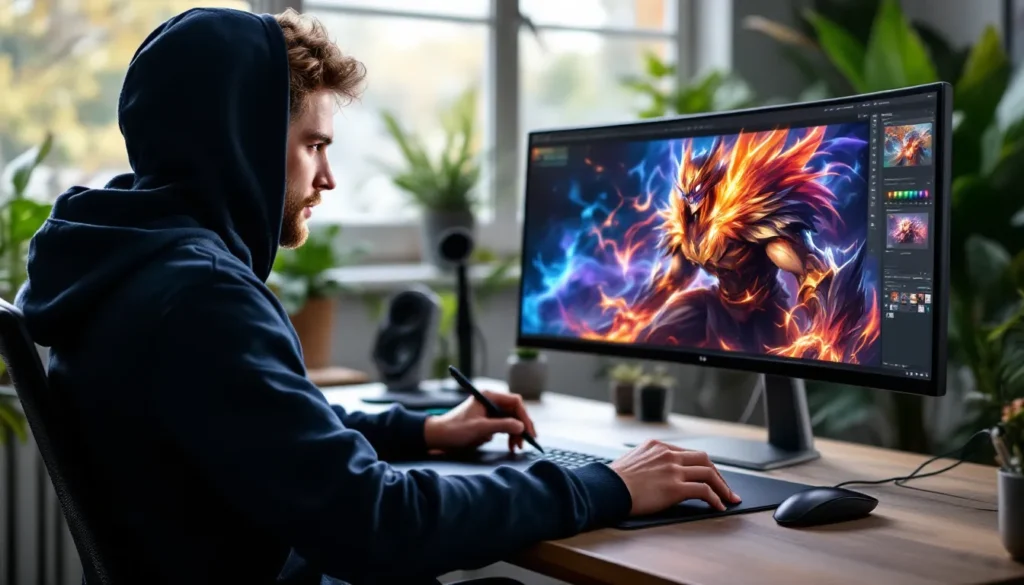
Digital art software is the primary barrier, but free options are viable. Medibang Paint, Clip Studio Paint, and Krita are free or low-cost alternatives to industry standard Photoshop or Procreate. Krita, specifically, is powerful enough for professional work and entirely free.
Drawing tablets aren’t mandatory starting out. A mouse or trackpad works, though a budget tablet ($30–80 for entry-level Wacom, XP-Pen, or Huion) dramatically improves accuracy and speed. Tablets usually cost less than a single skin in League.
Reference materials are free and essential. Save official splash art, cinematics, skin previews, and in-game model views from the League client. Pinterest boards organizing champion aesthetics by theme prevent mid-project scrambling for references.
Brushes and assets matter less than artists think. Most software comes with default brushes adequate for learning. Advanced brushes, textures, and presets are optional purchases once you’ve developed fundamentals.
The path: choose free software (Krita or Medibang), optionally grab a budget tablet, gather reference materials, and start. You don’t need Photoshop, an expensive pen display, or premium brushes to create compelling work.
Tips for Capturing Champion Aesthetics and Details
Each champion has visual DNA, color palettes, design motifs, silhouettes, and thematic elements that make them recognizable instantly. K/DA Ahri differs from Spirit Blossom Ahri differs from Coven Ahri. Capturing these distinctions requires attention.
Study the silhouette first. Before colors, shapes, or details, nail the champion’s outline. Ahri’s distinctive fox ears and tail, Lux’s staff and graceful stance, Zed’s weapon symmetry, these are immediate identifiers. Sketch loose silhouettes repeatedly until the shape is muscle memory.
Honor the color palette. Each skin line has intentional color schemes. K/DA uses neons (magentas, cyans, golds). Spirit Blossom uses soft pastels (pinks, whites, teals). Coven uses dark purples and greens. Consistency with established palettes makes artwork feel authentic and intentional.
Study official splash art obsessively. Splash artists at Riot spend weeks on lighting, fabric textures, armor details, and expressions. Zoom in, examine how fabric folds, how light hits metal, how expressions convey personality. You’re not copying, you’re learning design language.
Capture personality in the face. A champion’s expression communicates emotional context. Lux’s optimism reads in her smile and eye contact. Ahri’s confidence, mischief, or sensuality shifts with eye position and expression. The face is the focal point, invest time here.
Reference in-game models, not just splash art. The League client’s 3D model viewer lets you rotate champions, inspect armor details, and see how proportions work from angles splash art doesn’t show. This prevents distorted anatomy and ensures consistency.
Include environmental context. Fan art elevates when it places champions in scenes rather than empty backgrounds. A Yasuo piece benefits from wind effects, mountains, or contextual storytelling. This requires more effort but dramatically increases impact.
Finding Inspiration: Skins, Cinematics, and Lore
Inspiration sources are everywhere once you start looking. New skins launch constantly, each skin line is an inspiration goldmine. When Project skin line releases, study the cyber-aesthetic. When Star Guardian drops, absorb the magical girl aesthetic. Riot intentionally designs skins to inspire fan creation.
Cinematics offer narrative and visual inspiration. Arcane (the Netflix series collaboration) inspired thousands of pieces because it showed character moments official League doesn’t. Watch cinematics with an artist’s eye, noting composition, lighting, and emotional beats.
Champion lore provides narrative direction. Reading champion teasers, story arcs, and region-specific lore (Noxus vs. Demacia, Vastaya culture, Bilgewater pirates) suggests storytelling angles. A Nautilus piece tied to his lore hits differently than a random portrait.
Shipping and relationships inspire prolific fan art. Popular pairings like Evelynn/Akali, Taric/Sett, or Hwei/Yone generate consistent engagement. If specific champion dynamics interest you, explore that angle, passionate communities support creative exploration.
Challenge yourself with specific concepts. “Draw champion X in real-world setting.” “Reimagine X champion with Y aesthetic.” “Draw X champion as [anime trope].” Constraints breed creativity. Challenge communities on Reddit and Discord post regular prompts.
Look beyond League. Art style inspiration comes from anime, animation, real photography, fashion, and other games. Combining League’s aesthetic with influences from Attack on Titan, Studio Ghibli, or contemporary fashion creates distinctive fan art that stands out.
Keep an inspiration folder organized by champion, skin line, emotion, and style. When you’re stuck, scrolling your reference library reignites ideas and prevents blank-canvas paralysis.
Sharing Your Art: Building an Audience and Getting Noticed
Creating art means nothing without sharing it. Distribution, presentation, and engagement determine whether your work reaches five people or fifty thousand. New artists often underestimate these non-creative aspects.
Best Practices for Posting and Promotion
Post consistently on Twitter first. Twitter’s algorithm currently rewards fan art aggressively. Post during peak hours (evenings US/EU time, morning Asia) when your audience is active. Twitter’s native media uploads preserve quality better than external links.
Write engaging captions without clickbait. “Just finished this Ahri piece.” is fine. “THIS CHANGED MY LIFE” is cringe. Genuine enthusiasm beats hype-speak. Include the champion name, skin line, and tools used, this adds legitimacy and provides context.
Use relevant hashtags strategically. #LeagueOfLegends, #LoLFanArt, #AhriArt (champion-specific), and #DigitalArt help discoverability. Don’t hashtag spam, 5-8 targeted tags beat 30 random ones. Research hashtag communities: some are more active than others.
Cross-post to Reddit, Instagram, and ArtStation, but tailor each post. Reddit dislikes self-promotion links: host the image natively. Instagram captions are longer and more conversational. ArtStation benefits from detailed descriptions of process and tools.
Include process breakdowns or work-in-progress posts. Behind-the-scenes content generates interest and humanizes your work. A 60-second timelapse of your painting process often garners more engagement than the final piece.
Engage with the community daily. Reply to comments, retweet other fan art, engage with official League posts. Visibility comes from being visible. Artists who isolate, only posting their own work, grow slower than those actively participating.
Collaborate with other artists. Art trades, duets, or tag challenges expose your work to collaborators’ audiences. “Tag 3 artists” posts create network effects.
Timing matters hugely. Posting after major patch notes, during new skin announcements, or around esports events catches hype waves. A Ahri piece posted the day a new Ahri skin launches reaches vastly more people than the same piece posted randomly.
Engaging With the LoL Art Community
Community engagement transforms you from an isolated creator into a recognized participant. Start by actively supporting other artists. Engage genuinely with work you appreciate, comment thoughtfully, not just “nice art.” Share creators’ work. Tag artists when their work inspired you.
Join Discord communities focused on LoL art. Servers like “LoL Artists,” regional fan communities, and champion-specific servers provide feedback, encouragement, and collaboration opportunities. Feedback accelerates improvement, constructive criticism from engaged peers is invaluable.
Participate in community challenges and events. Many communities host monthly art challenges (#AhriAugust, #ZedSeptember, etc.). Participation boosts visibility and forces creative exploration. Challenge pieces often perform exceptionally well because challenge communities actively support participants.
Respond to all comments, especially early on. When someone engages with your art, reply. Gratitude encourages repeat engagement and builds parasocial connection. Some of your earliest supporters become long-term fans.
Attend or participate virtually in community events. League-focused conventions, Twitch streams featuring fan artists, or online meetups connect you with peers and audiences. Even small communities appreciate visibility.
Building an audience is slow, compounding growth. Your first 100 followers take months. The next 1,000 take less time as momentum builds. Consistency and genuine engagement matter infinitely more than individual post performance. Create regularly, engage genuinely, and growth follows.
Legal Considerations and Copyright Guidelines
Fan art exists in a legal gray area. It’s based on copyrighted material (Riot’s intellectual property), yet communities and companies widely tolerate it. Understanding where boundaries exist prevents problems.
Understanding Fan Art Rights and Riot Games Policies
Riot’s official stance: Fan art is permitted for non-commercial use. This means you can create and share art freely, but you can’t sell it without explicit permission. The distinction is critical. Posting on Twitter, Reddit, or sharing with friends? Legal. Printing shirts and selling them? Not permitted without licensing.
But, context matters. Riot has never sued fan artists for creating non-commercial content. They actively feature fan art, hire creators, and celebrate the community. Their IP policy is protective but pragmatic, fan art drives engagement and brand loyalty, so they tolerate it generously.
Commissioned work sits in a gray area. If someone commissions you to paint their favorite champion, is that commercial use? Legal interpretation is murky. Many artists accept champion commissions without issue: Riot hasn’t taken action. But technically, they could argue it violates their policy. In practice, hobbyist commission work (sub-$500, small audiences) is uncontroversially tolerated.
Merchandise is explicitly forbidden. Don’t print LoL fan art on t-shirts, mugs, or prints for sale. Etsy shops selling LoL fan merchandise operate at risk. Riot has occasionally sent cease-and-desist letters to larger operations but typically ignores hobbyist shops. Still, it’s technically violating their IP.
Official collaboration changes everything. If Riot commissions you or officially partners with you, they provide explicit permission. You’re now creating licensed content, not fan art. This is how professional artists in the space operate, with Riot’s blessing and legal structure.
To stay safely within bounds: create for personal enjoyment, share non-commercially, and avoid selling prints or merchandise without explicit permission. If you want to monetize, pursue commissions carefully or seek official partnerships.
Certainly, check gaming news coverage occasionally to see how major platforms discuss IP and fan creation, trends shift and awareness of legal frameworks evolves.
Protecting Your Original Work
While your fan art uses Riot’s IP, your artwork itself is your property. The creative expression, artistic choices, and execution are copyrighted to you upon creation. Protect this.
Copyright notice: Add a watermark or copyright statement to your art. “© 2026 [Your Name]” makes ownership explicit. Watermarks don’t prevent theft but make reuse less convenient and signal intent.
Upload resolution strategically. Post high-quality images on Twitter and Instagram, but not print-resolution files. Lower resolution discourages theft and printing. Keep full-resolution versions for your portfolio and commissions.
Disable right-click downloads where possible. Some platforms let you disable saves and downloads. It’s not foolproof, determined people screenshot anyway, but reduces casual theft.
Reverse-image search regularly. Use Google Images or TinEye to find where your art appears. If someone reposts without credit, request attribution or takedown. Most reposters are content aggregators, not malicious, crediting you solves the problem.
Report theft aggressively on social media. Twitter, Reddit, Instagram, and others have processes for reporting copyright violations. If major accounts repost your work without credit, report them. Platforms are surprisingly responsive.
Terms of use on your commission work: If you accept commissions, clarify licensing in contracts. Can commissioners post the art? Can they reuse it commercially? Explicitly state terms to prevent misunderstandings.
Register significant work with copyright offices if serious. For art you’re selling or showcasing professionally, US Copyright Office registration ($45–65) provides legal protection. Optional for hobbyists but useful if you pursue industry work.
Your art deserves protection. While sharing online inherently risks reuse, basic precautions prevent most problems. Most communities appreciate creators and police theft if artists report it.
Assuming you develop a substantial following, understanding IP law and platforms that discuss it helps frame your long-term strategy. What starts as fan art might become a professional career requiring nuanced legal awareness.
Celebrating the Most Iconic Fan Art Pieces and Artists
Some fan art transcends the medium and enters League culture permanently. Iconic pieces often launch careers, go viral across multiple platforms, and influence official work. Recognizing standouts illuminates what resonates and why.
Championship skin fan art regularly dominates. When Worlds happens, artists race to paint their favorite teams’ champions. Historically, Worlds-themed pieces accumulate millions of impressions. These pieces combine athletic aesthetic, champion pride, and esports narrative, a resonant combination.
Arcane-inspired pieces from 2021–2023 broke internet records. The animated series’ visual quality was so exceptional that fan art reimagining League champions in Arcane style generated unprecedented engagement. Some pieces exceeded 500K likes on Twitter. The crossover phenomenon showed audiences wanted League in different artistic contexts.
K/DA fan art established that music and League intersect powerfully. When the K/DA pop group launched in 2018, fan artists latched onto the concept ferociously. Animated fan music videos, reimagined outfits, and stage-design fan art sustained the aesthetic between official releases. Some fan creators built entire followings around K/DA content.
Ship content (romantic relationships between champions) drives consistent engagement. Popular pairings like Caitlyn/Vi, Ahri/Akali, and Zed/Yone attract passionate communities creating hundreds of daily pieces. Ship communities sometimes exceed champion-specific communities in size.
Low-play champions revitalization. Some fan artists single-handedly revitalize forgotten champions through exceptional art. An artist specializing in Kalista, Vel’Koz, or Aurelion Sol brings renewed attention to underplayed champions. Their dedicated output influences perception and drives niche community growth.
Notable artists worth following: Established names include Lolesports-featured creators, concept artists transitioning to Riot Games, and niche specialists with massive followings (though specific names vary by region and year, following community leaders surfaces current favorites). Look for artists with consistent 100K+ followers, multiple viral pieces, and active engagement histories.
Regional legends: Different regions emphasize different aesthetics. Chinese fan art platforms (Bilibili, Weibo) host exceptional talent. Korean and Japanese communities produce anime-influenced work rivaling commercial animation. European and North American communities skew toward realistic and comic-book styles. Following regional artists diversifies your feed and surfaces globally recognized talent.
Iconic pieces teach lessons: they typically feature exceptional technical execution, emotional resonance, champion authenticity, and unique perspective. They answer “what if” questions (What if this champion was in anime style? In real-world setting? Exploring specific lore moment?). They innovate within established aesthetic frameworks rather than ignoring them entirely.
Celebrating existing artists pushes your own work forward. Studying why specific pieces resonated globally informs what audiences value. Engagement with the best work in your medium accelerates development and inspiration.
Conclusion
League of Legends fan art has transformed from niche hobby into cultural force. It sustains community engagement, launches creative careers, and proves that fan-created content can rival official output. Whether you’re consuming, creating, or sharing, understanding this ecosystem enhances the experience.
If you’re new to the scene, start by following artists whose work resonates. Engage genuinely. Then, if inspiration strikes, grab free software and begin creating. The barrier to entry is lower than ever, and communities are welcoming to newcomers willing to improve.
If you’re already creating, remember that growth is slow and compounding. Consistency matters infinitely more than individual post performance. Engage with communities, seek feedback, and stay legally informed. Your fan art might become your career, many now-professional artists started exactly where you are.
The League of Legends universe is vast enough that it requires community creativity to fully explore. Official content provides direction: fan artists provide the soul. As long as League exists, fan art will thrive, and the best is yet to come.


